
Wind-Proof Cranes and Deeper Basins: Sounds good but when can TNPA deliver?
Maritime stakeholders question timelines of draft port plan
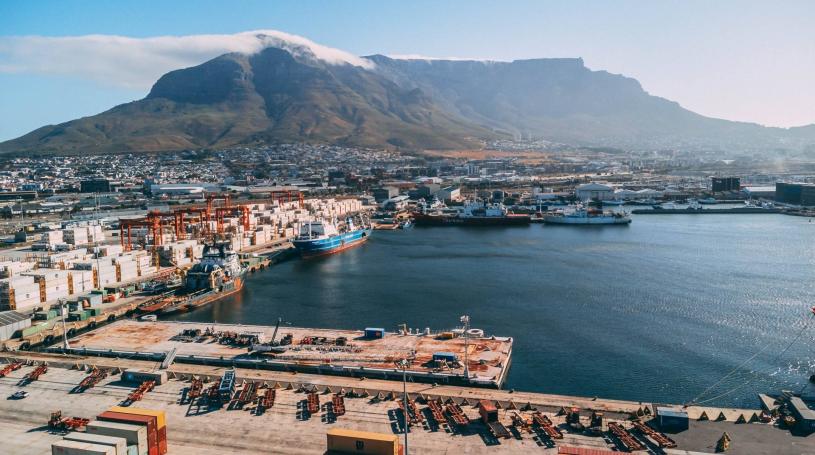
A future-focused development plan for the Port of Cape Town (PoCT) reveals a significant shift toward "weather-proofing" local trade, with multi-billion rand plans for wind-resistant cranes, seaward expansions, and deeper basins designed to accommodate the next generation of mega-container ships.
The vision was detailed during the 12th Annual Port Performance Roadshow, where Transnet National Ports Authority (TNPA) outlined a 30-year roadmap to transform the facility into a world-class "Smart Port". These included multiple technical innovations aimed at mitigating Cape Town’s notorious operational bottleneck: the wind.
To combat wind-related downtime, TNPA has prioritised "wind mitigation initiatives" in its short-term (2026–2031) investment plan. This includes the procurement of wind-resistant cranes and the feasibility testing of physical wind shields to protect terminal operations.
Further on the horizon is a massive "Seaward Expansion" of the Cape Town Container Terminal (CTCT). This multi-phased project involves building a new breakwater to enable the construction of a deeper basin and additional berths—specifically Berth 605—to accommodate more ships and handle much larger container vessels that currently face depth restrictions.
While engineering solutions are being deployed, the roadshow presentation explicitly acknowledged that climate change remains a high-stakes threat on the horizon. TNPA research highlights several concerning hazards for Cape Town, including a projected increase in extreme weather events capable of damaging breakwaters.
A vessel forecast report noted that South African port traffic has been on a "declining trend" since 2015. According to the report, this dip is driven by slow economic growth both domestically and at global destinations, as well as cargo being lost to transshipment hubs in neighbouring countries.
“Port limitations"—specifically restrictions on vessel length and depth—have contributed to this decline, reinforcing the urgency of the proposed basin deepening and berth reconfigurations, the report says
Despite these long-term headwinds, the port outperformed its most recent budget targets. Container volumes were 7.9% above target for the 2025/26 financial year, while Liquid Bulk and Dry Bulk exceeded expectations by 44% and 46.9% respectively.
However, TNPA leaders were candid about the "aging infrastructure" and "lack of maintenance" that currently hamper reliability. The success of the 30-year plan hinges on a shift toward Private Sector Participation (PSP) and the development of the Culemborg Intermodal Logistics Precinct to move cargo more efficiently between the port and the hinterland.
Maritime stakeholders this week welcomed the TNPA road show, which forms part of a countrywide public participation process encompassing all of the commercial ports. While acknowledging the impressive detail and scope of future development, stakeholders also expressed concern about the pace of implementation. “It was an excellent road show -- I just want to know when they are going to start,” said Megan Gobey, chairperson of the Cape Chamber’s Transport Industry Sector Portfolio committee.
Another well-placed stakeholder noted that a significant share of the future projects were still marooned in the 'feasibility study' phase, despite the critical role the Port plays in the regional economy.
Brian Ingpen, veteran maritime author and journalist, listed a few notable omissions from TNPA’s blueprint - such as the installation of proper container gantry cranes at two Duncan Dock berths where smaller containerships currently work cargo.
Ingpen welcomed the the planned seaward expansion of the main container terminal, but questioned the implementation timeline: “While this IS on the port plan, it must be advanced from medium to short term, i.e. it should start asap as there is a huge demand for space. When the terminal was designed, the envisaged length of containerships on the SA trade was about 260m. Many containerships calling now are 330m or more. This means that, whereas the original terminal could handle four large ships and one smaller (coastal) ship, only three large ships can be accommodated now – hence the occasional queue in the bay. An extension of at least one berth (hopefully two) will help to alleviate congestion.”