
The urgent need to reverse SA manufacturing decline
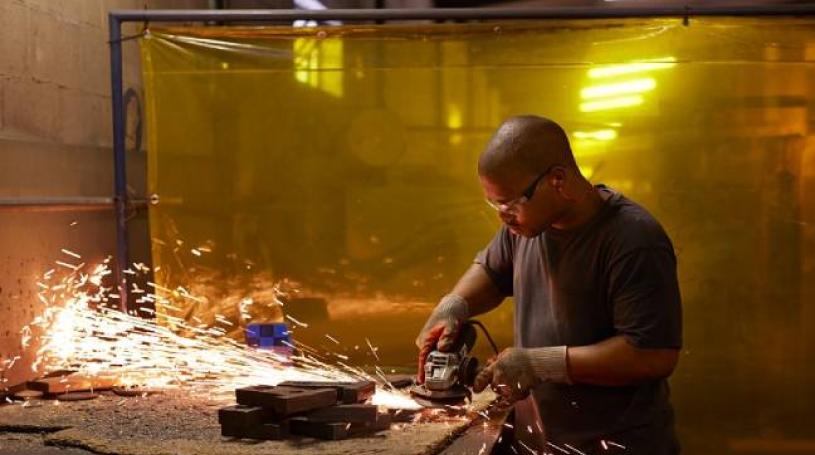
Our manufacturing sector needs help.
At its height the sector was the powerhouse of the economy, accounting for nearly 25% of national GDP and the engine for formal urban employment, export diversification, and technological development.
Today it contributes only 11.5% of GDP.
Statistics South Africa this week reported that the sector contracted 1.8% in the second quarter. Seven out of ten manufacturing divisions logged negative growth, with key heavy-hitters like basic iron and steel, machinery, and food and beverages taking the brunt of the hit.
It's the third consecutive quarter of manufacturing sector decline. Not only are we battling to create new manufacturing jobs, but we are also battling to retain them.
Meanwhile, a Manufacturing Skills Audit from the Nelson Mandela Bay Business Chamber revealed more bad news: despite soaring unemployment, regional manufacturers face a critical shortage of specialised technical talent—from toolmakers and millwrights to CNC programmers—which directly stifles growth and plant modernisation.
These headlines clearly illustrate what we already know: our manufacturing crisis is on life support, and urgently needs attention if it is to reclaim lost ground.
This much was also evident from the Chamber's own Business Environment Survey, which shows how local manufacturers are grappling with severe red tape and administrative friction.
According to one survey respondent, it took 12 documents and 50 pages to supply a paltry 10 washers.
With so much at stake, you'd think we would be doing everything we can to make manufacturing easier, not more difficult.
Regulatory compliance should ideally serve as a catalyst for enterprise growth, not a barrier to entry.
To counter these systemic headwinds, the Cape Chamber is driving a practical intervention through its SLIM (Scaled Labour Intensive Manufacturing) project. It aims to drive down the unit cost of production to make Western Cape light manufacturing globally export-competitive.
SLIM is a strategic counterweight to economic headwinds currently weighing down the manufacturing sector. By focusing on actionable solutions rather than passive commentary, the Chamber’s SLIM project is actively working to safeguard local manufacturing jobs and restore the sector’s trajectory as a primary engine of regional economic growth.
John Lawson, CEO of the Cape Chamber of Commerce and Industry