
The Rooftop Revolution: How solar is already reshaping SA’s electricity system
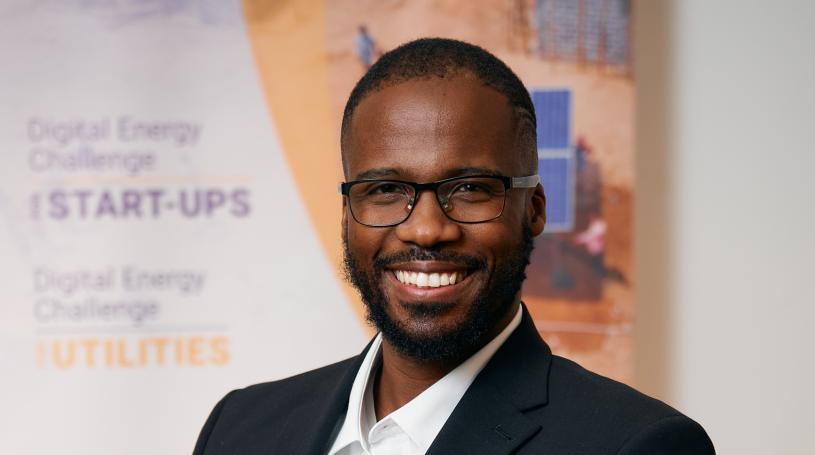
Q&A with Tumisang Kalagobe
Kalagobe is the Growth & Partnerships Executive at Plentify, an energy technology company focused on optimising electricity consumption at the grid edge.
He spoke to Cape Chamber about positive momentum in the energy ecosystem
CHAMBER: SONA and the Budget Speech highlighted the need for structural reform. Were you encouraged by what you heard? A standout policy shift from the State of the Nation Address was the announcement of a credit guarantee mechanism for transmission expansion, backed by the World Bank. This is arguably the most consequential reform for the sector right now. By meaningfully de-risking transmission network expansion, the government is creating a pathway for private capital to help build the grid of the future.
TK: This aligns perfectly with the Electricity Regulation Amendment Act (ERAA) and Eskom's ongoing unbundling. Crucially for the Western Cape, resolving these transmission bottlenecks is the only way to unleash the province’s abundant renewable energy pipeline. Currently, we have willing generators capable of providing power, but they simply cannot connect to a constrained grid. This policy is the first step to solving that.
CHAMBER: Some municipalities are more proactive than others in this space, with Cape Town ramping up efforts to on-board private generation. Are you aware of this? Would you say other metros or municipalities need to try similar initiatives etc?
TK: Yes, we are seeing a clear divergence between municipalities that are proactive and those that are lagging behind. Cape Town is the leading example, but eThekwini’s recent move to procure 100MW of private PV shows that large metros are generally moving in the right direction. We are also seeing smaller municipalities, such as Hessequa looking to procure 10MW, begin to step up.
However, this proactivity must become the rule rather than the exception. As the energy market liberalises, the traditional municipal business model of purchasing electricity directly from Eskom to resell to constituents at a markup is being fundamentally disrupted. To remain financially viable, municipalities must urgently build the capacity to procure power from private generators.
CHAMBER: The Western Cape has identified green energy as a major growth sector, with a view to stimulating job creation. No doubt there is little point trying to compete with China in this space, but it appears there will be huge potential for jobs in the service sector. Are you watching this space? Would you say there is space for further growth?
TK: The employment potential in the Western Cape’s green economy is immense, provided we focus on the right segments of the value chain. Competing directly with China on the upstream manufacturing of solar panels or battery cells is a losing battle given their massive economies of scale and technological advancement .
Instead, the real opportunity for South Africa lies in downstream services, software, and integration. This includes grid orchestration, electric vehicle charging infrastructure, smart logistics (such as last-mile electric delivery), and the specialised technical skills required to install and maintain these assets.
While national incentives like the 150% tax deduction on EV manufacturing capex are positive demand signals, we still lack a cohesive industrial plan that translates macro-policy into localised, high-value employment. Provinces that can bridge the gap between policy and execution will position themselves as the primary beneficiaries of the energy transition.