
The Pandemic Academic: Stellies student says lockdown inspired an online learning breakthrough
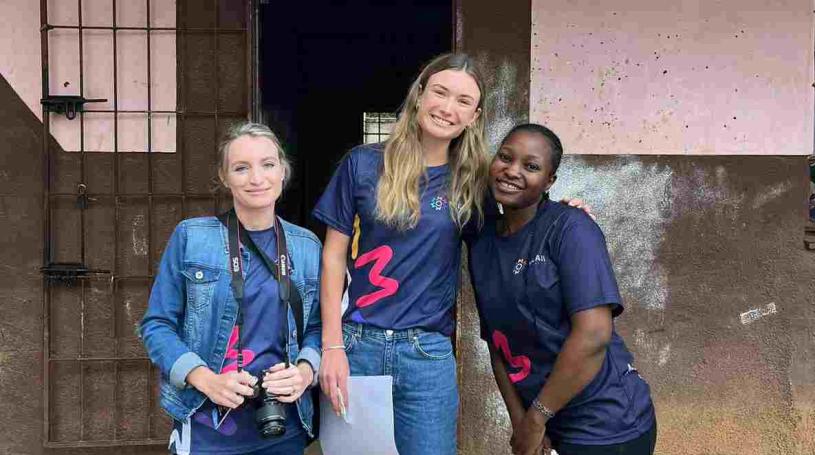
Teenager ropes in her mom and school principal to help out
Alexandra Lutz was 15 when her school shut down due to Covid-19.
Fortunately, she could study online – her school was geared for it -- but it bothered her that many others could not. She decided to do something about it.
Fast forward five years and Lutz has pioneered an online learning platform that makes school learning material available – for free.
Her Milani Education platform even assists underprivileged students where possible to access the information, by providing them email addresses.
Stung into action by Covid lockdown, Lutz even roped in her mother and school principal to get her project going – and they’re still involved today.
“Overnight we were all sent home and all our lessons went online,” Lutz says of the initial lockdown shock. “That’s when I realised that I was learning from this world-class content that was only benefiting my classmates and I, and which could easily be shared with thousands. It was just sitting on our hard drives with the potential to help millions.”
“This was almost the ‘A-ha’ moment that highlighted how many people were being left behind by Covid.”
With help from her school community, Lutz put her plan to the test – by helping two underprivileged grade nine pupils eager to continue studying. She gathered course content, added it to a google drive, and organised donated tablets and data to get things going. The trial was a resounding success: “They kept on messaging me, asking for more. They were so eager, and had really big plans for their lives, but weren’t able to have access to education.”
“It was awesome to see how they were able to use the content to the best of their ability. It just highlighted the need out there,” Lutz said.
Covid receded, but Lutz’s project went from strength to strength. With the help of seed funding she developed a platform and built a non-profit organisation, Milani Education. She partnered with multiple schools to gather content, and roped in her mom to act as MD. “She has been with me since day one – a massive help,” says Lutz of the family connection, which now also involves her cousin to help manage the increased workload.
Lutz is quick to credit her former English teacher, Mrs Brown, for inspiring her interest in education: “Sitting in her classroom was very eye-opening -- she was outrageous in the best way possible. She sparked my initial interest.”
She also received ongoing support from teachers far and wide: “A lot of them said, ‘Oh wow! I’ve been wanting to do this for some time’.”
Initially the project relied heavily on volunteers. When still in matric Lutz leaned on her friends to help upload and edit content. She used funds from corporate donors to pay teachers an hourly rate to do curation and oversight.
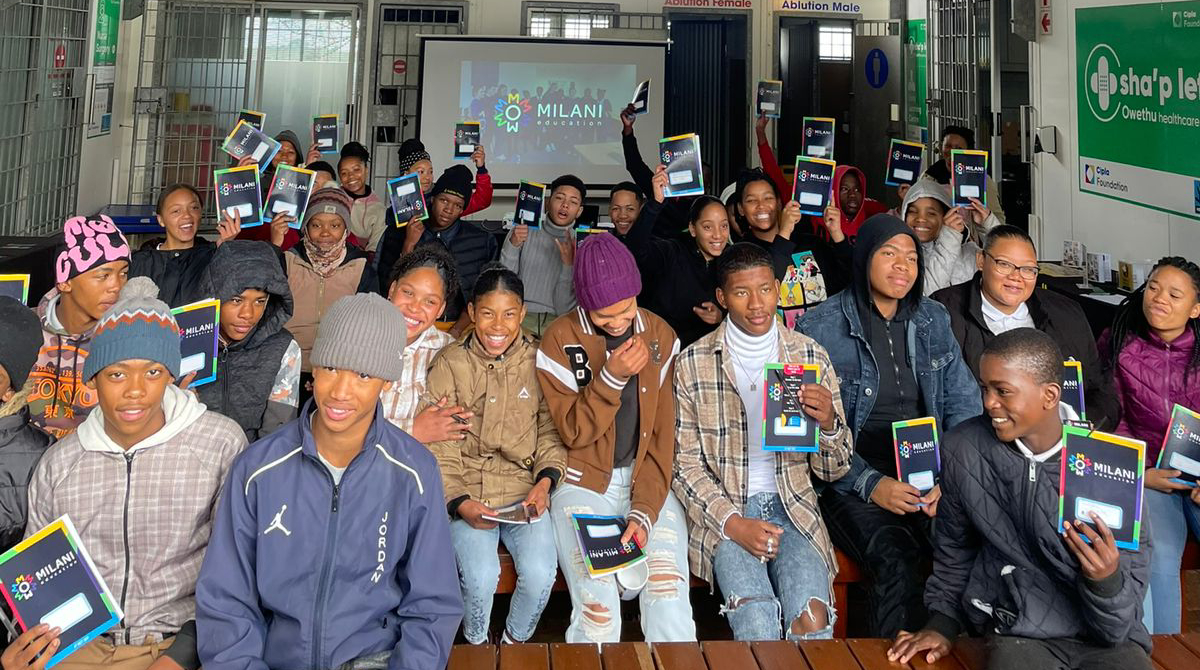
A standout feature of Milani is that course content is specifically designed for the South African context, so as to be as accessible as possible. In addition to content, the team also focuses on skills development by curating external material for pupils to help perform better at school. “There’s not a lot of online content based on the South African curriculum, let alone content that is completely free,” explains Lutz. “Even R50 a month is too big a hurdle for some students, and we aim to reach anybody who would like to access us.”
“There is also not a lot of content that is simple to access. Our competitive advantage is that, because we are non-profit, we are really strict on being available to anybody who wants to learn. There is no subscription – you don’t even have to have an email or cell number -- we’ll create one for you.”
Milani is now partnering with other non-profits to expand its service offering, including translating content into Afrikaans. There are plans afoot to translate into other African languages using AI technology.
Lutz is also keen on partnering with more schools and other institutions to make computers or tablets available to those who need, in a classroom setting. In this way she hopes to expand the project reach, allowing more people to benefit.
“We’re not an online school. We’re purely a supplementary learning school. We want to supplement what students have already learnt. We want to be the go-to platform that students utiise so that they fully grasp their work.”
“A lot of the time, what pupils in under-privileged schools are being taught is not aligned to the standard of final matric exams. We aim to address that gap.”
Now a second-year data science student at Stellenbosch University, Lutz is still actively involved in promotion and fund-raising. She hopes to use her tertiary skills in the education space: “I’m very committed to Milani – it's definitely my baby. Seeing it grow has been really exciting, and I don’ t think I’ll ever fully step away from it.”