
Middle East Conflict and Fuel Costs Drive 2,3% Surge in Household Food Prices
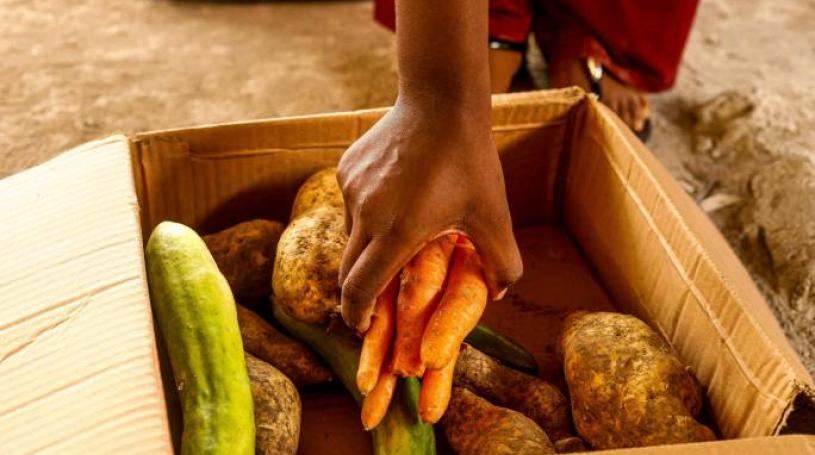
South African households are facing a sharp increase in the cost of living, with the average Household Food Basket jumping by 2,3% (R123,56) in just one month. According to the latest April 2026 Household Affordability Index, the total cost of the basket has risen to R5 452,09, up from R5 328,53 in March.
The index shows that even "core" staple foods, which families prioritise and buy first to stave off hunger, have increased by 2,0% (R56,41) this month. When these essential items—such as maize meal, rice, and cooking oil—become more expensive, families are often forced to remove nutritionally rich foods like meat, dairy, and vegetables from their plates.
Analysts point to a volatile global landscape as a primary driver of these domestic pressures. Heightened conflict in the Middle East has continued to destabilise international oil markets, leading to a sustained rise in the South African fuel price. This "fuel factor" has directly impacted the cost of moving goods through the supply chain, inevitably trickling down to the retail shelves where consumers are now feeling the pinch.
The Household Affordability Index, compiled by the Pietermaritzburg Economic Justice and Dignity NPO, is a specialised barometer designed to reflect the real-world experiences of low-income South Africans. The basket was designed through direct consultation with women living on low incomes in six major regions: Johannesburg, Cape Town, Durban, Pietermaritzburg, Mtubatuba, and Springbok.
The data is collected by women in these communities who track prices off the shelves of 47 supermarkets and 32 butcheries that target the low-income market. By monitoring 44 specific food items that a typical family of seven requires each month, the index provides a "proxy" for the actual monthly food costs and affordability constraints facing millions of citizens.
April’s sharp food basket increase suggests “an early impact of higher fuel costs and electricity on the prices of foods on our supermarket shelves”, PMBEJD says in its summary. “We advise that cautionary steps continue, and that the situation be monitored carefully, including opportunistic price increases by producers and retailers; with additional plans put into place to mitigate potential risks to South Africa’s food availability, access and affordability, and National Security”.