
Low Rainfall Threatens to Frizzle Away Sector’s Q1 Economic Gains
The City of Cape Town’s latest Economic Performance Indicators for Cape Town (EPIC) report highlighted strong momentum in agriculture, with provincial sector output expanding by 3.9% in the first quarter of 2026. This robust growth was anchored by surging horticulture exports, including a 34% year-on-year jump in apple exports and a 2.3% increase in grape exports.
However, unseasonably dry conditions through mid-winter now threaten to frizzle up those hard-won economic gains.
In exclusive comments provided to the Cape Chamber, Agri Wes-Kaap CEO Jannie Strydom voiced deep concern over the impact of meagre winter rainfall on local farming operations.
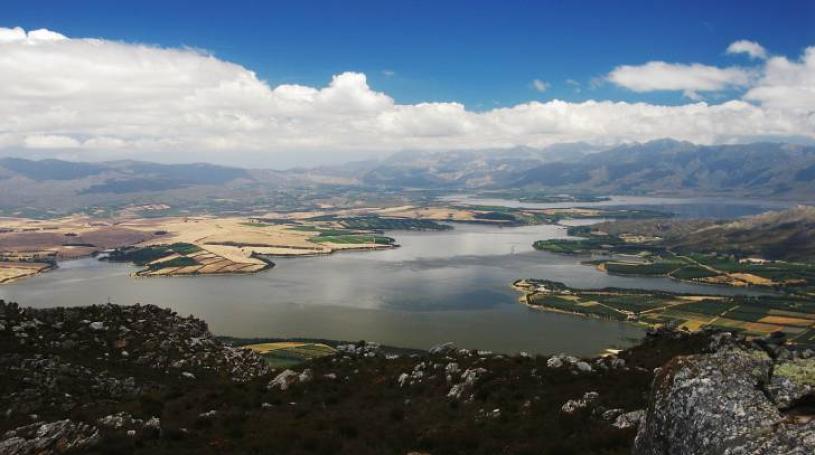
"The Western Cape state of dams is currently 3% lower than the same time last year. The Theewaterskloof Dam, which is a very important dam—especially for the City of Cape Town—is currently 8% lower than the same time last year," Strydom noted.
Strydom warned that dryland grain producers are bearing the brunt of the mid-year dry spell.
"We experienced a very dry June and July, which impacted negatively on dryland crop production. Grain producers are experiencing severe financial pressure and are really relying on a normal to above-normal production season. This currently seems to be in jeopardy," he said.
While early-year export figures painted a rosy picture for Western Cape agriculture, the lack of mid-winter rain threatens both soil moisture and water security heading into the warmer months.
There remains hope on the horizon, provided weather patterns shift. "Weather forecasts indicate normal to above-normal rainfall for August and September," Strydom added, emphasisng that time is running out for dryland crops to recover before the summer heat sets in.