
Low-Lying infrastructure uninsurable going forward, Warns Hortgro
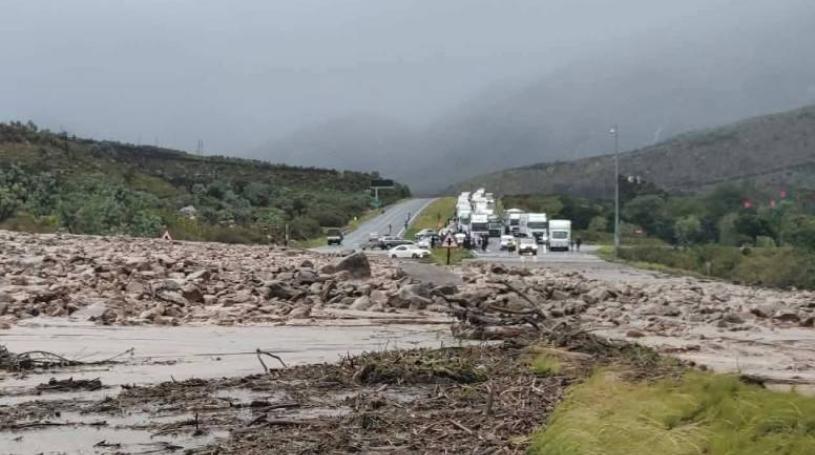
The structural impact of the recent devastating Western Cape storms has permanently altered the risk profile of the agricultural sector, with insurance companies warning that low-lying orchards and infrastructure close to flood lines will become completely uninsurable in the future.
That's according to Calla du Toit, Chairman of Hortgro Pome and Procurement Director for Tru-Cape Fruit Marketing, who spoke to Cape Chamber about the impact of the recent devastating weather that will have lasting impacts on the deciduous fruit sector. Du Toit says while underwriters are settling current claims, they have signaled a hard boundary for future liabilities.
"The insurance companies have already told us there are some instances where they will pay now, but they will not pay in future," du Toit revealed, noting the massive financial toll the storm inflicted on insurers. "In future, it will be very hard to insure high-risk facilities or infrastructure. As a grower, you will have to be very smart as to where you place future infrastructure."
The development forces a radical shift toward "building back smarter." Du Toit conceded that the sector must respect changing climate realities by permanently retreating from traditional riverbanks and low-lying water runways. Because immense capital is now being diverted into emergency repairs, fewer funds will be available for growth and expansion.
The disaster also exposed severe vulnerabilities in alternative energy strategies. Parts of the fruit industry were left without grid electricity for nearly seven weeks due to collapsed power lines.
While many farming units are transitioning to solar, du Toit emphasised that green technology cannot entirely sustain commercial fruit operations. Cold storage rooms must run 24/7 for up to 11 months a year, and heavy winter fronts can leave the region without sunlight for seven consecutive days—rendering large-scale battery backups economically unviable.
"In the fruit industry, we cannot do without Eskom; it is virtually not possible," du Toit stated, calling for closer community collaboration with the utility. "We still need the grid. The fruit industry needs a fully functional Eskom—there is no other option for us."
Consequently, producers are preparing to heavily increase capital expenditure on robust backup systems and operational "Plan Bs" to protect high-value assets during extended grid failures.
Despite the devastation, du Toit highlighted extraordinary localised collaboration, with unaffected farmers voluntarily diverting heavy machinery contractors to neighbors cut off by destroyed bridges. Moving forward, the industry intends to rely more heavily on early-warning meteorological technology and rigorous risk-management protocols to mitigate future climate shocks. ENDS