
Kitesurfing growth offers big opportunity, but Cape Town risks pricing itself out of boom times
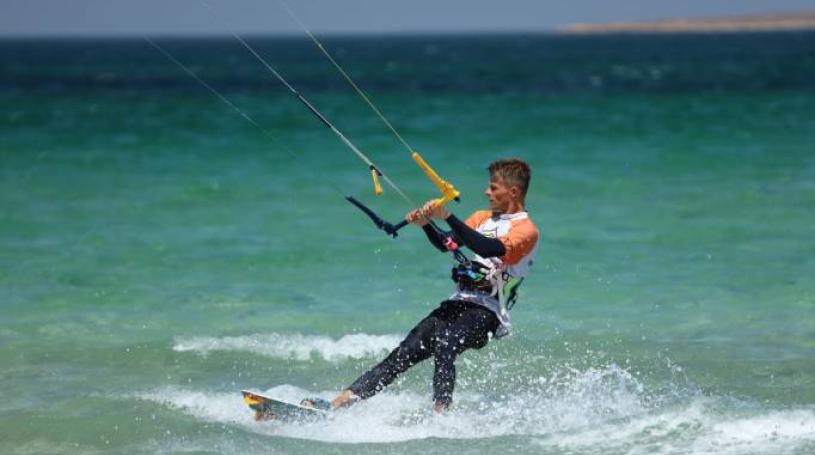
Cape Town’s booming kitesurfing sector has evolved into a major drawcard for international marine tourism, but rising local costs and steep airfares threaten to cool momentum just as the peak summer season gets underway.
That is the warning from Rosie Oosterman, a local kitesurfer and owner of @Rosies, a bespoke guesthouse catering to kiteboarders just two blocks from Table View’s Kite Beach—widely regarded as one of the world’s premier big-air venues and host to the annual Red Bull King of the Air competition.
When Oosterman opened her guesthouse in 2015, the local scene was still relatively niche. Over the past decade, however, the sport has expanded dramatically, fuelled by a surge in global interest during the Covid-19 pandemic and Cape Town’s reputation as the world’s premier wind destination.
“The kitesurfing industry has grown tremendously,” says Oosterman. “We are the kite spot of the world—Red Bull does not for nothing choose us for King of the Air.”
Yet industry feedback points to a noticeable softening in bookings for the current season. Alongside expensive long-haul flights, Oosterman says European visitors—traditionally the backbone of the market—are feeling the pinch at home and increasingly questioning local restaurant and accommodation prices.
“We always think, ‘Oh, the people with euros are arriving next month,’” she says. “What I’m hearing back lots now is that Cape Town has become really expensive. As locals and people in the industry, we need to look at this—we don’t want to chase them away.”