
Innovator upcycles ocean waste into V&A flooring and countertops
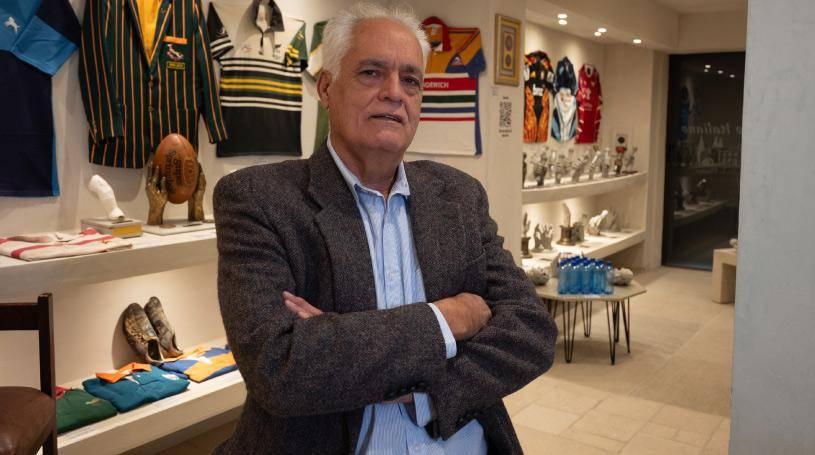
Q&A with 2025 Innovation Winner Johan Coetzee
1) Last year your innovation (using non-recyclable waste to make concrete) captured everybody’s imagination. What did the Award mean to you?
For us, the Award was recognition for all the effort, time, research, and financial investment that goes into developing a truly new idea. In our case, it was about finding a way to turn difficult waste streams into valuable construction and decorative products that can help reduce landfill waste and contribute positively to the planet.
The Award gave us reassurance that we are on the right path — that the work we are doing has meaning and value beyond just business. It confirmed that innovation with purpose can resonate with people, from large corporates to ordinary households. The recognition showed us that the challenges we are trying to address are important to society, and that people genuinely connect with solutions that make a difference.
2) Did the Award have a positive impact on your business, in terms of market exposure or any other unforeseen benefits?
Absolutely. The Award created tremendous exposure for our business and significantly increased awareness around what we do.
We suddenly found ourselves in conversations with corporates, environmental stakeholders, and organisations involved in waste management and sustainability. Many companies approached us to explore how we could help them upcycle their waste streams into meaningful products rather than simply disposing of them.
One example is our collaboration discussions with the Two Oceans Aquarium around using ocean-related waste in flooring, countertops, and furniture applications. We have also engaged with the V&A Waterfront regarding furniture concepts and environmental initiatives such as Living Sea Walls.
Beyond the exposure, the Award helped build credibility. It opened doors that otherwise may have taken years to access.
3) What for you was the most important factor that allowed you to be innovative in your business? Is it about having an open mind? Doing the necessary research? Imagination?
I believe the biggest factor is having an open mind.
Innovation often starts when you pause long enough to ask yourself: “Can this be done differently? Can it be done better?” For me, innovation was not about completely changing industries — it was about looking differently at what we already do every day and asking where we could make a meaningful difference.
Research and experimentation are important, but the willingness to think differently is what starts the process. I also believe there must be an internal drive and curiosity to improve things continuously. That drive pushed me to pursue ideas that initially seemed unconventional.
4) How important is innovation to the future success of the entire economy? Do you believe we need to nurture a more innovative approach to business?
Innovation is critical to the future success of any economy.
The world is changing incredibly fast. Years ago, a new idea could remain unique for a very long time. Today, innovation cycles are much shorter, which means businesses must continuously improve, adapt, and reinvent themselves.
There is increasing pressure globally to innovate faster because the challenges facing the world are growing faster as well — whether environmental, economic, or technological. Businesses cannot rely only on old methods anymore.
I also believe innovation must become part of company culture. Businesses should encourage their teams to think creatively and contribute ideas. At its core, innovation is simply about finding better ways to make a difference.
5) What advice would you give to entrepreneurs setting out on their business journey? What do you think is most important in terms of dealing with current challenges?
Entrepreneurship is never an easy road. When you introduce new ideas, you will face resistance, setbacks, and uncertainty. People are often uncomfortable with change, especially when innovation challenges traditional ways of thinking.
My advice would be to stay persistent and keep believing in your vision, even during difficult periods. Challenges and obstacles are part of the journey. Every entrepreneur will face moments where people doubt the idea, but perseverance is critical.
I also believe entrepreneurs should remain adaptable and open to learning. The market changes quickly, and businesses must evolve with it. Those who can continue learning, improving, and innovating will always have opportunities to grow.
Most importantly, focus on creating genuine value. If your business can solve real problems and positively impact people’s lives, opportunities will follow.