
Fuel Supply: Oil majors prioritise retail ahead of April price hikes
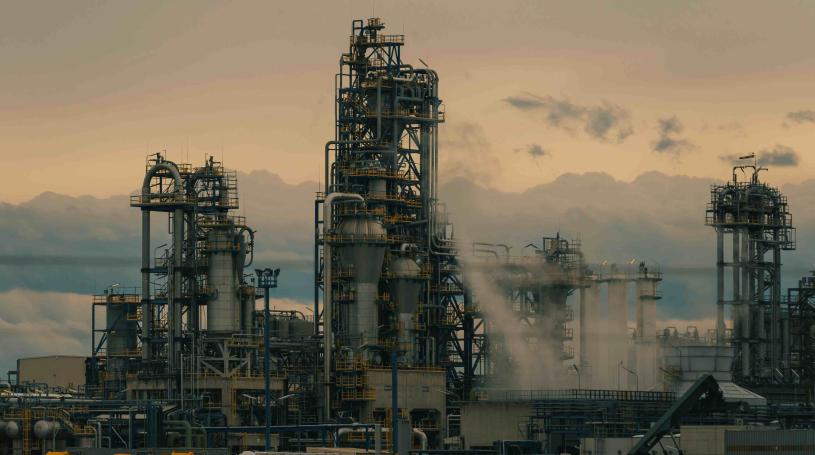
Oil majors supplying into the South African market are prioritising the local retail market as they reduce volumes ahead of next month’s price increases and expected dip in fuel consumption.
That’s according to well-placed industry sources who say suppliers are committed to ‘keeping the retail network wet’ with sufficient fuel supply despite challenges associated with the Middle East conflict.
As of late last week, some oil majors began reducing incoming cargo shipments in response to market dynamics, a temporary measure necessitated by the fluctuating global oil and fuel prices.
As things stand, and according to the Central Energy Fund’s latest cost analysis, diesel is likely to increase next month by R9 /litre and petrol by R5/litre. The increases are informed largely by movement in exchange rates and international product prices, the CEF report says.
“The Oil Majors’ primary focus is to keep the retail network wet on petrol and diesel,” one source told Cape Chamber this week. “They are anticipating less demand because the price will move up so drastically. Instead of bringing in 100 percent of the cargos, they would bring in less.”
However, the volume reduction would not translate into supply shortages, although some ‘term customers’ could anticipate supply rationing.
“The main rationale (regarding supply) right now is to keep the retail side ‘wet’ (an industry term meaning adequately supplied). But existing term customers (such as commercial customers in mining, logistics and agriculture) might be rationed and given a portion of their supply. I know some farmers have already been disrupted in terms of the volume they consume,” the source said.
“As it stands, the country will be ‘wet’, but the cost is high, and I think the demand will be low.”
The rationing prompted comment this week from Agri Western Cape chief executive Jannie Strydom, who said diesel was a critical input for agri operations, particularly at planting and harvesting time. “Any disruption in supply poses direct risks to production, food security and the sustainability of farming operations”, Strydom said.
Agri Western Cape has escalated the matter through Provincial Disaster Management to the office of Premier Allan Winde.
Another well-placed source said he saw no reason to be concerned about supply, although the price increases would be felt across the economy. “It is a massive change, make no mistake, but we are not going to run out, at least not in the immediate future,” he said, adding that South Africa’s import dependence and shortage of reserves meant it was entrenched at ‘the receiving end’ in terms of price. “We are at the receiving end and there is no ways we are influencing price,” he added.
Supply concerns have made global headlines since the start of the latest Middle East conflict. This week the Philippines declared a National Emergency due to fuel supply concerns.
The South African Department of Mineral and Petroleum Resources (DMPR) has ramped up engagement with the "Oil Majors" (BP, Shell, Engen, Astron, etc.) due to concerns around fuel supplies.
Department Director General Jacob Mbele last week confirmed reports of oil majors introducing controlled allocation to some clients: “Yes, that is happening because what we are seeing, and it’s less with individual customers, this is a complaint that’s coming from contracted customers,” Mbele told broadcaster Jeremy Maggs.
“There are customers who have contracts with suppliers for certain volumes.”
The move was intended to stop customers stockpiling product at the cheaper rate ahead of the price increases. “So what the companies are trying to do is that they are saying to people, we are going to keep you within your contracted volumes. So only if you start asking us for more than what you normally take from us, we may be reluctant to give to you, because anyway, you also have to honour other contracts.”
Commenting last week, North West University economist Professor Raymond Parsons said he believes South Africa’s resilience will see it through the coming price challenges: “There is no need for a doomsday scenario. South Africa does have economic buffers and an available layer of resilience with which to manage these strong global headwinds. The economy also gains from the concomitant boost in the prices of precious metals, such as gold and platinum.”