
Finally, a foreshore freeway plan
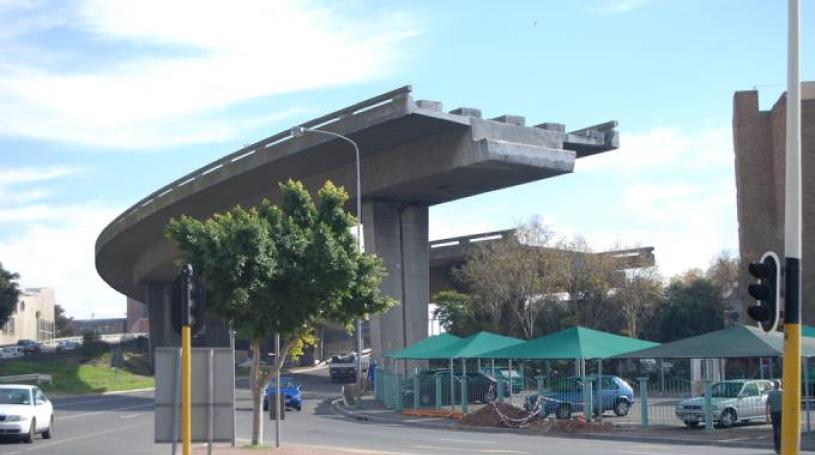
The City of Cape Town says it has finally resolved the 50-year-old "unfinished freeway" stalemate conundrum.
The new proposal seeks to replace the elevated structures with a combination of a new link bridge over Buitengracht Street, an outbound tunnel along Duncan Road, and 15 hectares of urban redevelopment.
Urban mobility and gridlock remain central priorities for the Cape Chamber of Commerce and Industry. The issue was the focus of a dedicated Strategic Dialogue Network (SDN) session on passenger mobility earlier this year in Cape Town, which brought together a broad cross-section of public transit authorities, logistics experts, and private sector leaders to examine systemic congestion.
Public reaction following the announcement by Mayor Geordin Hill-Lewis focused on key implementation details that remain unconfirmed, including overall construction costs, funding mechanisms, engineering risks, and the timeline for final delivery—projected to extend toward 2040.
Independent transport specialist Gershwin Fortune acknowledges that the project carries distinct engineering and traffic management merit, particularly regarding the Walter Sisulu and Buitengracht intersection bottleneck: "The technical case is real. Congestion into the CBD used to be limited to about three hours in the morning and to large events in the city. Over the past decade it has spread to almost any time of day, including weekends. Grade separation is the only lasting fix at that location. So, the scheme can be justified on at least three grounds: easing congestion, improving public transport flow through the Foreshore, and making active mobility easier at ground level."
"Whether it is a priority is a different question. With funding scarce across the city, I doubt it should come ahead of other critical projects. Every integrated transport plan should end in a ranked implementation project list driven by sustainable transport goals."
"On these criteria, there are definitely other critical projects that should get the nod first—such as public transport and walking/cycling links to rail stations, priority infrastructure for Golden Arrow buses and minibus taxis, and faster reform of the minibus taxi industry. The City should explain where this scheme ranks against other projects using transparent and objective criteria," Fortune said.
Peter Haylett, Chairperson of the Cape Chamber’s Infrastructure Portfolio Committee, cautions that road interventions alone may simply displace congestion rather than resolve it: "A key concern is whether this simply moves congestion from point A to point B. The surrounding context needs to be carefully evaluated, alongside an assessment of what alternative interventions could be delivered at that cost to alleviate traffic."
While the project encompasses a broader precinct vision beyond road extensions, the proposed urban densification could well erode much of the intended traffic benefit. Furthermore, proximity to stadium parking offers a potential holding area for private vehicles linked to last-mile transport solutions such as taxis or ride-hailing services, yet this does not appear to be integrated into the current plan. The scheme must be formally ranked against broader infrastructure needs."
The City has indicated that the proposal will now undergo public participation, detailed engineering design, and inter-governmental engagements—including negotiations with Transnet over port land required for the tunnel alignment—before procurement commences in the next municipal council term.