
Cleared for takeoff? Tracking Durbanville's R8billion airport flight path
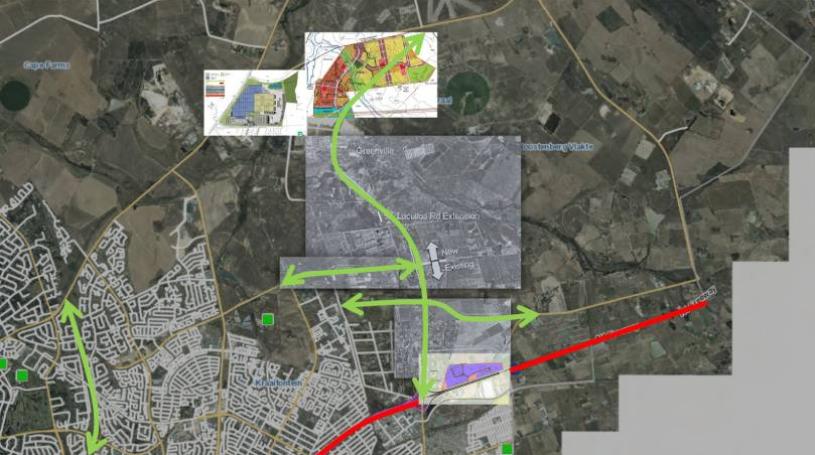
Nobody can deny the huge job and business opportunities inherent in the planned R8 billion Cape Winelands Airport development.
But could the development become too big for its boots – and too big for the surrounding winelands that inspired the concept of a 'boutique’ airport nestled in one of South Africa's prime tourist areas?
This was one concern raised last week by prominent Durbanville landowner Anton Fourie at a sold-out Cape Chamber-led airport presentation at the STADIO Higher Education Durbanville campus on July 2.
Fourie’s caution, however, stands alongside a wave of optimism from the broader Western Cape business community, which has largely welcomed the project as a critical catalyst for regional growth. Tourism and business stakeholders also used last week's function to amplify the huge potential business benefits of a high-tech aviation hub on the northern metropole's doorstep.
Fast-tracked under national priority status as a Strategic Integrated Project (SIP 17), the massive overhaul of the former Fisantekraal Airfield by developers RSA Aero and managing partners Growthpoint Properties is projected to sustain up to 100,000 direct and indirect jobs over its first 20 years of operation.
Central to the project's widespread appeal is its potential to unlock significant airspace redundancy and commercial capacity. The planned 3.5-kilometer runway is built to accommodate wide-body aircraft such as the Airbus A380, transforming the area into a primary secondary hub for the province.
Yet, the sheer scale of the proposal has raised some concern over optimal site planning. Local agricultural stakeholders have echoed concerns regarding the airport’s proximity to Cape Town International Airport (CTIA), which sits just 35 kilometers away.
Given that regional weather systems account for more than 80% of flight diversions in the Cape, Fourie questions whether a secondary runway within the same localised weather radius can technically function as a reliable foul-weather alternative. Opponents have suggested that positioning a large-scale cargo and aviation asset closer to under-developed industrial nodes—such as Saldanha—might have yielded superior socio-economic rebalancing while sparing the immediate Winelands from heavy infrastructural bottlenecks.
Furthermore, the introduction of a heavy logistics footprint into a region defined by viticulture, poultry farming, and quiet residential estates has amplified anxieties regarding noise pollution and traffic congestion.
In response, Cape Winelands Airport Managing Director Deon Cloete last week emphasised that the project has successfully cleared exhaustive technical, environmental, and public participation frameworks. Following the dismissal of initial environmental appeals, developers have committed to strict mitigation safeguards, including a dedicated noise monitoring committee to protect neighboring properties.
While industrial development appears inevitable, local leaders have appealed directly to the project's leadership to remain bound to their public mitigation promises, ensuring that the region's lucrative agricultural heritage is not entirely overshadowed by its grandest new neighbor.
The project targets a late-2026 construction launch, pending final outstanding municipal and structural approvals.
In his address Cloete highlighted some of project's key selling points. These include:
-- commercial activities will be integrated into the airport precinct
-- connectivity across multiple modes of transport, including the potential of rail
-- a boutique terminal building for 'premier passenger experience’