
City Invites Public to Shape Metro's Future Spatial Development
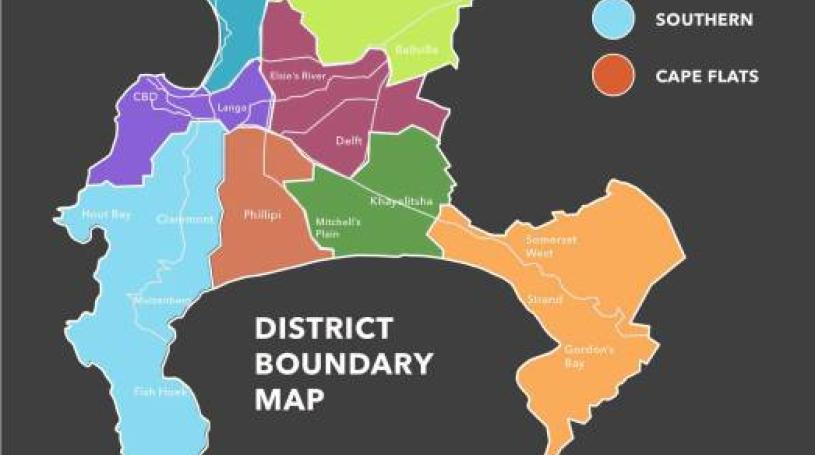
The City of Cape Town has called on its residents to participate in a comprehensive review of its Municipal Spatial Development Framework (MSDF) alongside eight District Spatial Development Frameworks.
Residents, landowners, and stakeholders can register on the City’s Spatial Planning Database by 31 August 2026 to participate in shaping policy that guides future land use, infrastructure, and urban growth across the metro.
"These plans determine how and where residential opportunities are developed, and what infrastructure should be provided to support the developments such as roads and public transport services, sewage and water provision, electricity and so forth," said City Deputy Mayor and Mayoral Committee Member for Spatial Planning and Environment, Eddie Andrews.
Notably, SDFs directly influence public investment, densification strategies, and the location of residential developments, roads, public transport, water, and electricity. The district plans under review cover Table Bay, Blaauwberg, Northern, Tygerberg, Helderberg, Khayelitsha/Mitchells Plain/Greater Blue Downs, Cape Flats, and Southern districts.
"Importantly, these policy documents also guide us in terms of densification because Cape Town is a growing city with limited land for development. Rapid urbanisation is a reality and the only way to deal with this responsibly, is to plan ahead and identify where and how we can make better use of the land we have available to meet the demands of our growing population."
"I encourage residents to register to receive regular updates on the review process. It is in your interest to make your voice heard, and to have a say in the policies that determine how and where and what form development will take in your district in coming years," Andrews said.
The City's densification strategy has drawn pushback in recent years, with several ratepayer and heritage groups arguing that higher-density developments undermine local neighbourhood character and property values. In response, the City maintains that aggressive spatial planning is essential to accommodate rapid population growth and undo historical spatial segregation by expanding access to well-located affordable housing.