
The CEO Chirp: Public access and the PRASA forensic report
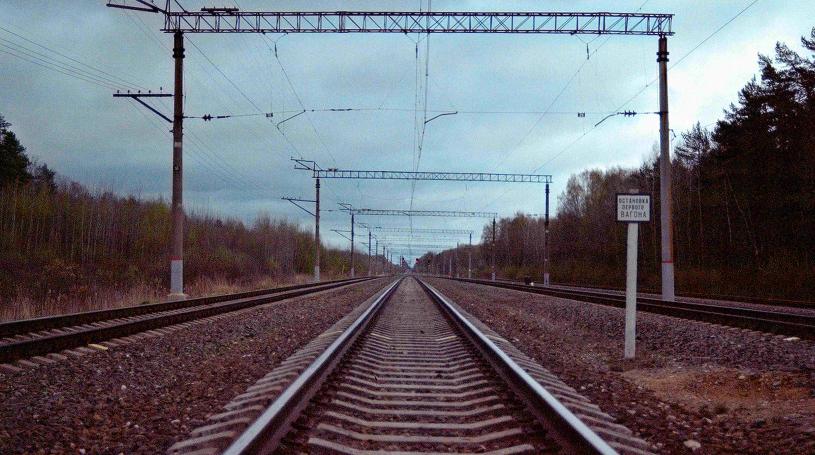
Transport Minister Barbara Creecy has an opportunity to address concerns about corruption within the Passenger Rail Agency of South Africa.
The Minister is reportedly sitting on a much-anticipated forensic investigation conducted by the law firm Webber Wentzel into Prasa’s General Overhaul (GO) Programme. The report remains under wraps almost a year after a Promotion of Access to Information Act application for its release.
Creecy and Prasa have defended the decision not to go public with what they dubbed a "Draft Report." They say those implicated in the report must be given a right of reply before the report is made final.
Given the scale of the alleged corruption – overcharging the state by tens of millions of rands – one might expect the matter to be further down the line, given that the actions under the spotlight took place between 2019-2024.
Our Constitution is explicit: the government must act in a way that serves the best interests of its citizens. For a society to be truly open and transparent, access to information is not a luxury—it is a right. When we are prevented from seeing how billions in public funds were handled, the very foundation of that transparency is undermined. Why is the curtain being drawn now?
This lack of transparency also raises questions about the role of the Parliamentary Portfolio Committee on Transport.
Will Parliament, which exists to provide oversight, demand accountability for this apparent squandering of public funds? It is the duty of our elected representatives to demand this information, yet the report remains locked away.
Minister Creecy has generally been a capable and courageous leader, showing a pragmatic streak that the business community appreciates. This makes inaction around the Webber Wentzel report all the more concerning.
The Minister – and indeed President Ramaphosa—has an opportunity to lead from the front on this matter.
John Lawson
CEO of the Cape Chamber of Commerce and Industry