
The CEO Chirp: Export surge constrained by logistics
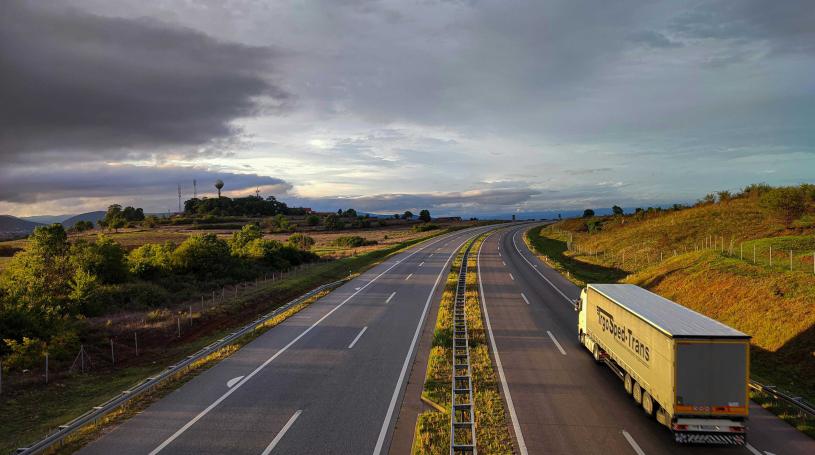
Consider what is required in getting a carton of table grapes to market.
First, meticulous canopy management to ensure uniform grape size and quality; then hand-picking at peak ripeness; precise packing and labelling with unique codes; rapid pre-cooling to –0.5°C; rigorous checks for phytosanitary compliance; and transport to the Cape Town Container Terminal in refrigerated trucks.
Consider how frustrating it must be when, having done all of that, your grapes sit in cold storage because they cannot get on a ship. Exactly 1,688 container-loads of table grapes were sitting in cold storage in early February due to Container Terminal delays, according to Hortgro. While exporters found alternative routes via Port Elizabeth, Durban, and even Walvis Bay, they did so at a massive cost—exceeding R133 million in additional transport alone.
Economic stakeholders agree that infrastructure constraints are but one piece of a complex puzzle: what good is growing our export base if we cannot get our goods to market?
This matter took centre stage last week at a Cape Chamber event where Ilse van Schalkwyk, the Western Cape’s Acting Director-General of Economic Development and Tourism, shared a sobering reality: the province’s infrastructure is not keeping pace with our export growth.
In particular, local fruit exporters face tough questions from their retail customers concerning potential to increase volumes.
These questions are symptomatic of a wider infrastructure gap that the Western Cape Government is fighting to close. According to the Province’s latest Infrastructure Ministerial Committee update in early February 2026, the Western Cape has identified a "Single Integrated Infrastructure Pipeline" of 52 priority projects valued at roughly R131 billion. These projects span energy, water, and transport, yet they face a steep uphill battle.
It is important to clarify the division of labour here: while the Western Cape Government is responsible for provincial roads and social infrastructure—investing nearly R10 billion in the current 2025/26 financial year—the critical "network industries" like our ports and freight rail remain a National Government mandate.
The reality is that national public-sector infrastructure investment has hovered around 5% of GDP, roughly half of the 10% target required to truly modernize our economy. For the Western Cape to reach its "Growth for Jobs" goal of 4–6% breakout growth, this national investment lag must be addressed through more than just talk; it requires a fundamental shift in how national assets are managed and funded.
Infrastructure backlogs limit our potential.
However, there is a silver lining.
Unlike the complex, external threat of trade tariffs, or the multifaceted battles against crime and corruption, infrastructure challenges are at least a "solvable" crisis. Fixing a port, for instance, is largely a matter of equipment reliability, berth productivity, and operational expertise. With R4 billion in upgrades already underway at Cape Town Port —including new wind-resistant cranes—the foundation is being laid.
It is encouraging to see the Port’s performance improve despite stiff headwinds – literally and figuratively. We need continuous improvement to accommodate our exporters.
We have so much to offer. Our agricultural sector is robust, with significant growth potential according to sector organisations.
The Chamber is encouraged by the growing consensus that the private sector must play a more integrated role in port operations. By moving toward structured, long-term Public-Private Partnerships, we can ensure that our logistics backbone finally matches the world-class quality of the fruit it carries.
John Lawson
CEO of the Cape Chamber of Commerce and Industry