
Cape Town’s Fishing Fleet Urgently Needs Reliable Drydocking Solutions
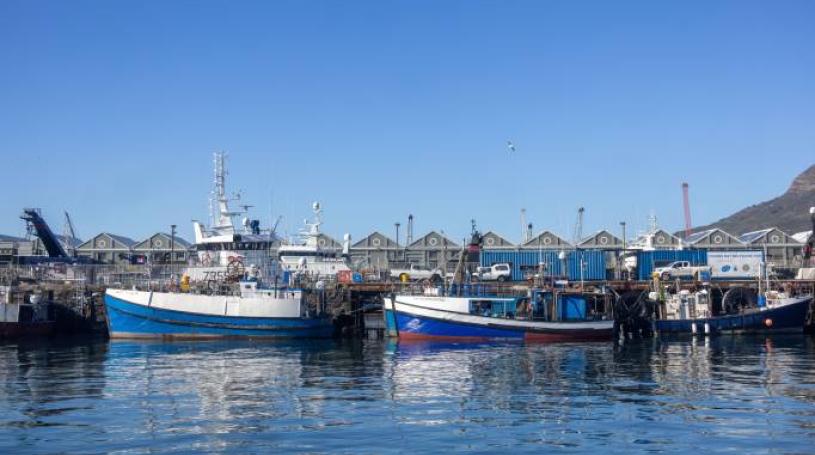
The local commercial fishing industry is calling for urgent infrastructure reform at the Port of Cape Town, specifically demanding dedicated, predictable drydocking capacity to service its fleet.
That’s the view of FishSA chief executive Loyiso Phantshwa, who recently outlined continuing operational bottlenecks impacting the sector. As the primary home port for South Africa’s large-scale commercial deep-sea fishing fleet—particularly the highly valuable hake-trawling sector—Cape Town is economically vital. However, local operators claim the port consistently prioritises larger international merchant vessels and oil rigs over the routine, legally mandated maintenance schedules of domestic fishing boats.
"Not having reliable, designated drydock access in Cape Town is a serious problem," says Phantshwa. "There is prioritisation of merchant vessels -- solutions are needed."
Regulatory compliance compounds the pressure. The South African Maritime Safety Authority (SAMSA) requires commercial vessels to renew their safety certificates every two years. For major local operators managing large fleets, this creates a near-continuous cycle of required drydocking that the port currently cannot support seamlessly.
Other issues impacting fishing companies include delays in infrastructure maintenance, drydock turnaround time, and overtime work challenges.
Phantshwa's comments come against the backdrop of wider port inefficiencies. The recent World Bank and S&P Global Ratings index ranked Cape Town at the bottom of its global container port performance list. While that specific index measures container logistics, Phantshwa notes it reflects the systemic infrastructure challenges impacting the entire port ecosystem.
However, he emphasises that the ranking doesn't capture recent, encouraging collaboration behind the scenes. “There has been a genuine shift in attitude to try and solve these problems," Phantshwa says. "Many of these challenges are institutional and structural, rather than a result of deliberate neglect. Overcoming them requires systemic reform, not just a blanket demand for prioritisation.”
He believes unlocking greater stakeholder engagement will accelerate operational efficiency.
“There's a lot of expertise that sits with the industry that can benefit the Port. "Even if the fishing sector handles smaller volumes compared to global cargo giants, the port can leverage our operational ideas to streamline their processes.”
Phantshwa also maintains that Cape Town's infamous weather should no longer be used as an excuse for delays. “You don't wake up today only to discover there are strong winds in Cape Town.”
Transnet National Ports Authority recently reported improved utilisation of its multiple drydock facilities, including Cape Town where upgrades are still underway. Plans are in motion to augment the Cape Town service with a new floating drydock.