
Cape Town to Launch New Multilateral Electricity Wheeling in January
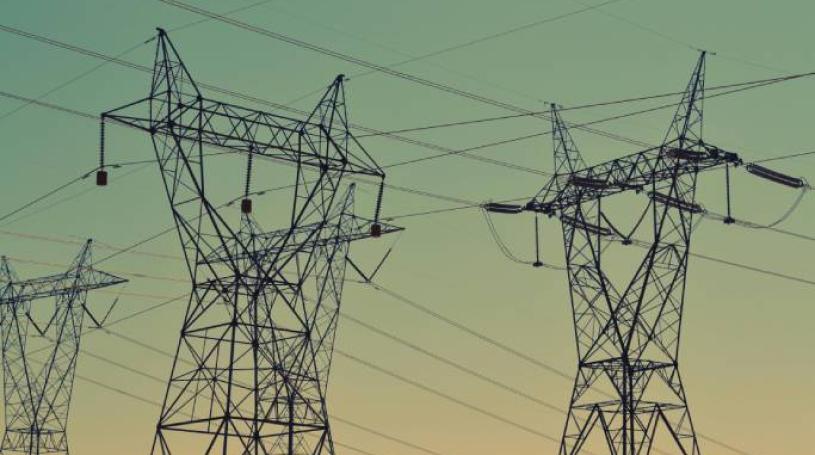
A pioneering energy trading system will go live next year in Cape Town following a successful trial, bringing potential widespread relief from Eskom electricity bills
From January 2027, City of Cape Town electricity customers will be able to make use of a system called ‘multilateral wheeling’, which allows one independent power generator to sell to multiple customers, or multiple generators to supply one big buyer. The power is pooled on the municipality’s own distribution lines, and is not beholden to Eskom.
Currently, almost all wheeled energy comes from renewable sources.
The City already offers ‘bilateral’ wheeling – defined as a single power generator selling to a single customer – but the expanded offering will allow power generators to sell to multiple customers, thereby significantly enhancing the energy trading market.
The enhanced system could be particularly useful for factories, shopping malls, and other medium and high voltage customers.
The multilateral system is now ready for market, according to Cape Town mayor Geordin Hill-Lewis who outlined the roll-out plan earlier this month at a Cape Chamber engagement.
Energy stakeholders say the system is an important milestone in the struggle to close the gap between the cost of new solar power – between 60c-90c per kWh – and the current official Eskom tariff of R3.70 kWH.
Soaring electricity costs are damaging the economy, eroding business competitiveness and impacting the entire operating environment. Many businesses lack the resources to generate their own power, and are effectively hostage to the Eskom tariff.
The cheaper ‘wheeled’ energy is pooled on the City’s own power grid system, and then distributed to purchasers in terms of power purchase agreements.
The multilateral system still needs to be fully integrated into the City’s billing system, hence the 2027 launch target.
‘Wheeled’ energy is so-called because it is transported from the power generator to the customer via third party – in this case the City of Cape Town. Eskom has been wheeling energy from independent power producers for some time.
Alwie Lester, special energy advisor to Western Cape Premier Alan Winde, says the Province is supportive of efforts to open the energy market, and has supplied WCape municipalities with a wheeling framework and a toolkit. “However not all Municipalities have implemented wheeling,” Lester told Cape Chamber in response to queries. “Each Municipality will have to decide the extent of wheeling they will cater for. This is localised decision and requires the creation of certain by-laws.”
“In an ideal open market system, not only municipalities but customers would have choice of energy type and at what time of the day they want what energy. As a principle, in the medium to long term, should municipalities look at alternative energy purchasing, the lower energy charges should be passed onto the consumer. This will speak to sustainable and affordable energy.”
“Yes, wheeling can certainly create an opportunity, but it is dependent on the generation purchase price and the wheeling charge, assuming you don’t own the network. Wheeling has been operational for many years, used by countries such as US, Germany, Philippines, India and Japan,” Lester said.