
Cape Storms Disrupt Key Export Arteries
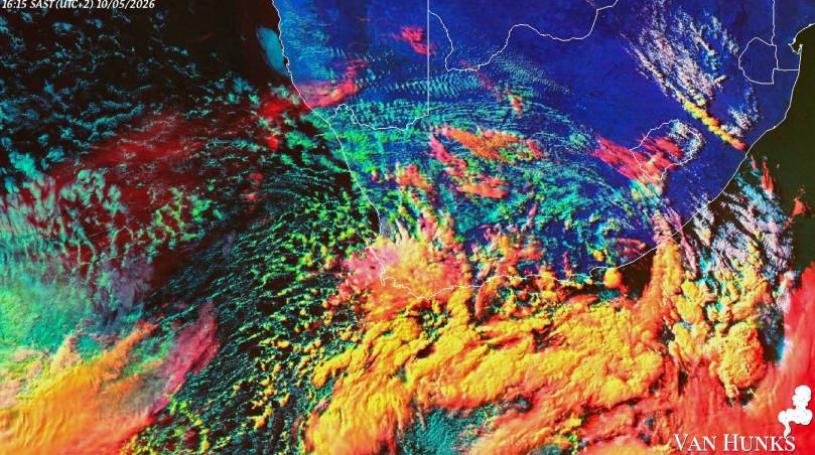
The severe weather that lashed the Western Cape this week has destroyed critical infrastructure, with serious implications for exports and supply lines.
Farmers already reeling from the impacts of the ongoing Middle East crisis now have more immediate concerns: how to get goods to market and fix widespread flood damage.
Authorities are still assessing the cost of what is considered one of the worst storms in living memory, which generated wind speeds of up to 140 kmph according to some reports.
“We are aware that there has already been damage to roads and infrastructure, and we also expect that orchards and other farming areas may have been affected,” Agri Western Cape spokesperson Elandri Snyman told Cape Chamber this week. “The Department of Agriculture is currently conducting a formal damage assessment process, after which a clearer indication of the financial impact and overall extent of the damage will be available.”
“Right now, the primary focus is on ensuring the safety of farmers, farm workers, and livestock during these dangerous weather conditions,” Snyman said.
At least six people are known to have died in the latest cold front which made landfall on Monday morning and caused the closure of the N1 outside Worcester, along with several key passes along the escarpment. About 40 000 people were displaced, many of these from informal areas in low-lying areas.
The Drakenstein, Stellenbosch, and Witzenberg (Ceres) mountain ranges bore the brunt of the storm, swallowing isolated 24-hour accumulations ranging between 150 mm and 220 mm at high-altitude weather stations.
Agri News reports widespread power outages affecting farmers in the Overberg, Cape Winelands, and West Coast, with Eskom and municipal teams currently deployed to effect repairs.
Snyman said Agri Western Cape is trying to identify the worst affected areas “but a lot of people are without power and signal”. “At this stage, the most important support needed is accurate information, effective coordination, and continued assistance from authorities during the damage assessment process. Farmers will need support in determining the extent of the damage once conditions stabilise, particularly regarding infrastructure repairs and potential agricultural losses. For now, the priority remains the safety and wellbeing of everyone on farms,” she said.
Western Cape Premier Alan Winde on Wednesday urged the public to avoid all non-essential travel to or through the Cape Winelands region. "Teams are working around the clock to clear and open roads as soon as it is safe to do so," Winde said.
Exporters Western Cape chairperson Terry Gale said the export impact could have been worst had the storm struck at the height of the export season: "The pome fruit was almost complete and citrus fruit not yet in full swing, but full assessments are still taking place," Gale said.
Meanwhile, the Community Chest of the Western Cape is appealing to the public and corporate sector to support urgent disaster relief efforts following the intense storms affecting communities across the Western Cape. “The scale of the disaster requires a united response. Every donation will help provide critical support to affected families,” said Peter Heeger, CEO. The organisation is calling for donations of food, blankets, clothing, toiletries and other essential items that can be dropped off at the Community Chest of The Western Cape, 82 Bree Street, Cape Town, 8001.
Monetary donations can also be made into the Community Chest of The Western Cape’s bank account:
BANK: FIRST NATIONAL BANK
ACC NAME: THE COMMUNITY CHEST OF THE WESTERN CAPE
ACCOUNT NO: 50260974842
CODE: 201409
REF: DISASTER RELIEF