
35 Trucks Hijacked Every Week in SA—with Mielie Meal a Prime Target
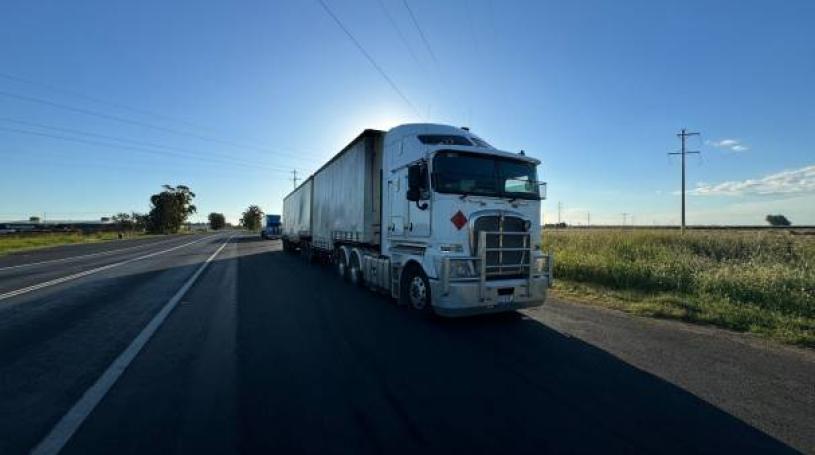
Some transport companies have stopped reporting crimes to the police and now rely entirely on private security, according to Road Freight Association (RFA) chief executive Gavin Kelly.
This shift is due to an ongoing crime endemic affecting road freight, which Kelly has described as “economic terrorism.” He notes that syndicates have escalated from opportunistic robberies to highly coordinated, military-style heists involving multiple heavily armed individuals.
The scourge is all the more damaging to the economy in light of the massive increase in road freight following the decline of freight rail. Almost 90% of South Africa's freight now travels by road—often exceeding the axle load limits of infrastructure designed decades ago—Kelly said at an Exporters Western Cape meeting late last week.
“It has got to levels where we are really struggling with it,” Kelly added. “We've got many members who don't report crime anymore—they're just not interested. Many guys self-insure or rely on Fidelity. They employ more security officers in various roles. That is how we fight crime these days—private security companies doing escorting.”
Kelly stated that hijacking syndicates are primarily interested in fast-moving consumer goods (FMCG), such as mielie meal and cooking oil. Unlike a hijacked consignment of luxury electronics or branded clothing, a pallet of generic mielie meal has no serial numbers or digital tracking markers. It can be distributed, repackaged, and sold through informal traders or local spaza shops within hours of a heist, making it virtually untraceable.
Kelly also raised concerns about another ongoing challenge: non-compliant companies employing undocumented foreigners who work for a fraction of the cost of local drivers. He argues that the government has failed to enforce sector compliance, thereby exacerbating frustrations and fuelling social instability.
“The citizens start losing their jobs because you can employ three or four [foreign] drivers for the amount of money they pay one South African. You can employ these people who can't go to the CCMA or a union to say that they're being done in, because they are undocumented,” Kelly explained. “Nothing happens to them [the non-compliant companies]. We've said to the President, you need to fix this.”
Kelly added that other sectors are similarly affected by non-compliance with labour law and insufficient government monitoring.